Full loads, partial loads and team loads: which should you book?
When a full trailer is worth it, when a partial saves you money, and when a team run is the only way to make the date.
Book a full truckload when your freight fills a trailer, is fragile, or is time-critical. Choose a partial when you have less than a full load and can trade a little transit time for a lower price. Choose a team when the delivery date is tight, because two drivers keep the truck moving while one rests.
If you ship freight only occasionally, one of the first choices you will face is how to book it. There are three answers, and the right one depends on how much you are moving, how sensitive it is, and how hard the delivery date is.
What a full truckload gives you
A full truckload (FTL) means the trailer is yours for the trip. Your freight is loaded, sealed if needed, and driven straight through, with no other shipments, no extra handling, and no stops to sort and reload. That makes it the right call when you fill a trailer, when your freight is fragile or high-value, or when transit time matters and you cannot afford the extra days that consolidation can add.
When a partial load makes sense
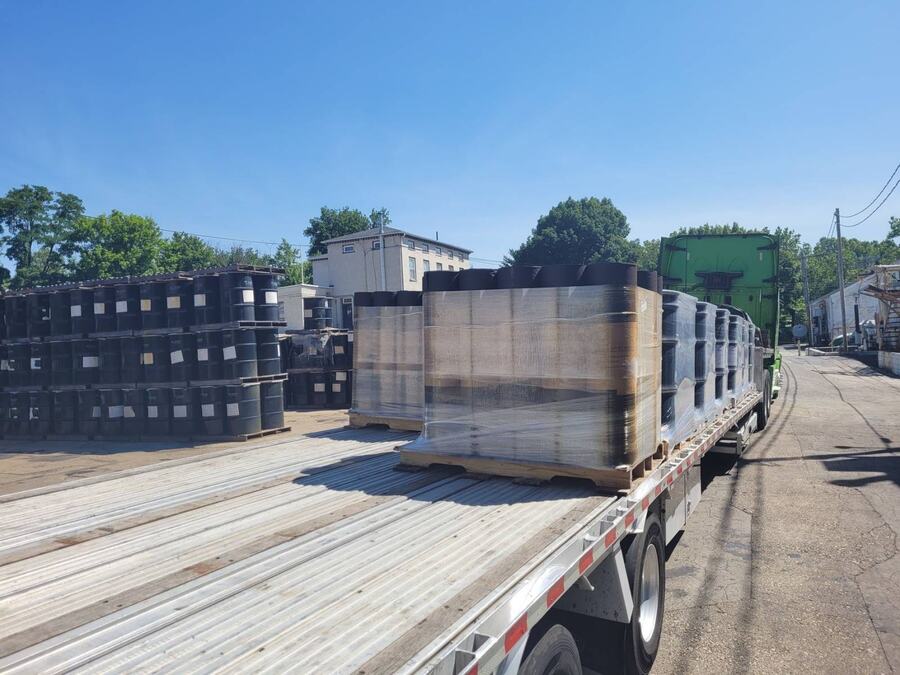
A partial load, or less-than-truckload (LTL), means you share the deck with other freight and pay for the space you use rather than the whole trailer. If your shipment is a few pallets, some crated equipment, or anything short of a full deck, a partial is usually the cheaper way to move it. On open-deck freight in particular, a partial flatbed load is a common and economical choice.
When you need a team
A team load puts two drivers in the same truck. One drives while the other rests, so the truck keeps moving almost around the clock instead of stopping for a ten-hour break. Hours-of-service rules limit what a single driver can do in a day, and on a long lane that limit is what sets your delivery date.
The practical effect is that a run which takes a solo driver four or five days can often be done in two or three by a team. That matters when a plant is waiting on a part, when a job site has a crew booked, or when a receiver has given you a delivery window you cannot miss. Teams cost more per mile, because you are paying for two drivers, so the question is whether the date is worth the premium. Often it is.
The trade-offs to weigh
Partials save money, but they can add transit time, because the truck may pick up and drop other freight along the way. There is also a little more handling, since loads are combined and secured together. Teams do the opposite: they buy you time at a higher rate. A full truckload sits in the middle, giving you a dedicated trailer at a single-driver pace.
How to decide, quickly
- Fills a trailer, or fragile, or high-value? Full truckload.
- A few pallets or a partial deck, and flexible on timing? Partial or LTL.
- Long lane with a delivery date you cannot move? Team.
- Not sure? Send the dimensions, weight and dates and we will price the options side by side.
Frequently asked questions
What is the difference between a full truckload and a partial?
A full truckload reserves the whole trailer for your freight. A partial shares the trailer with other shipments, and you pay only for the space you use.
What is a team load?
A team load has two drivers in one truck. One drives while the other rests, so the truck keeps moving instead of stopping for a full break, and a long run can be cut from four or five days to two or three.
When is a team load worth the extra cost?
When the delivery date is the constraint. You pay for two drivers, so the rate per mile is higher, but on a long lane a team can halve the transit time. If a plant, a crew or a receiver appointment is waiting, that is usually the cheaper outcome overall.
Is a partial load cheaper than a full truckload?
Usually yes, for freight that does not fill a trailer, because you pay for the space you use rather than the whole deck. The trade is a little more transit time and handling.
Does GTI Transport haul full, partial and team loads?
Yes. GTI Transport moves full truckloads, partial loads and team runs on flatbed and step-deck equipment, across all 48 states.
How do I know which one my freight needs?
Send the dimensions, weight and the pickup and delivery dates. We will quote the options side by side so you can compare cost against transit time.